
Did you know Starter, Alternator, and Battery Checks: Keep Your Vehicle Ready to Start and Drive
When you turn your key or press that start button, you expect your car to start up instantly and stay running. But behind that simple moment is an important trio working together: the battery, starter, and alternator. If even one of these parts struggles, you could be left dealing with slow starts, dim lights, or a completely dead vehicle.
Maintenance checks can save you from unexpected breakdowns and costly repairs. Here’s what every driver should know:
1. The Battery: Your Vehicle’s Power Source
Your car battery supplies the electrical power needed to start the engine and run electrical and electronics for your vehicle. Over time, batteries weaken due to age, extreme temperatures, or internal wear.
Signs Your Battery Needs Attention
- Slow or sluggish engine cranking
- Dim headlights or interior lights
- Clicking noise when starting the vehicle
- Vehicle needing a jump start
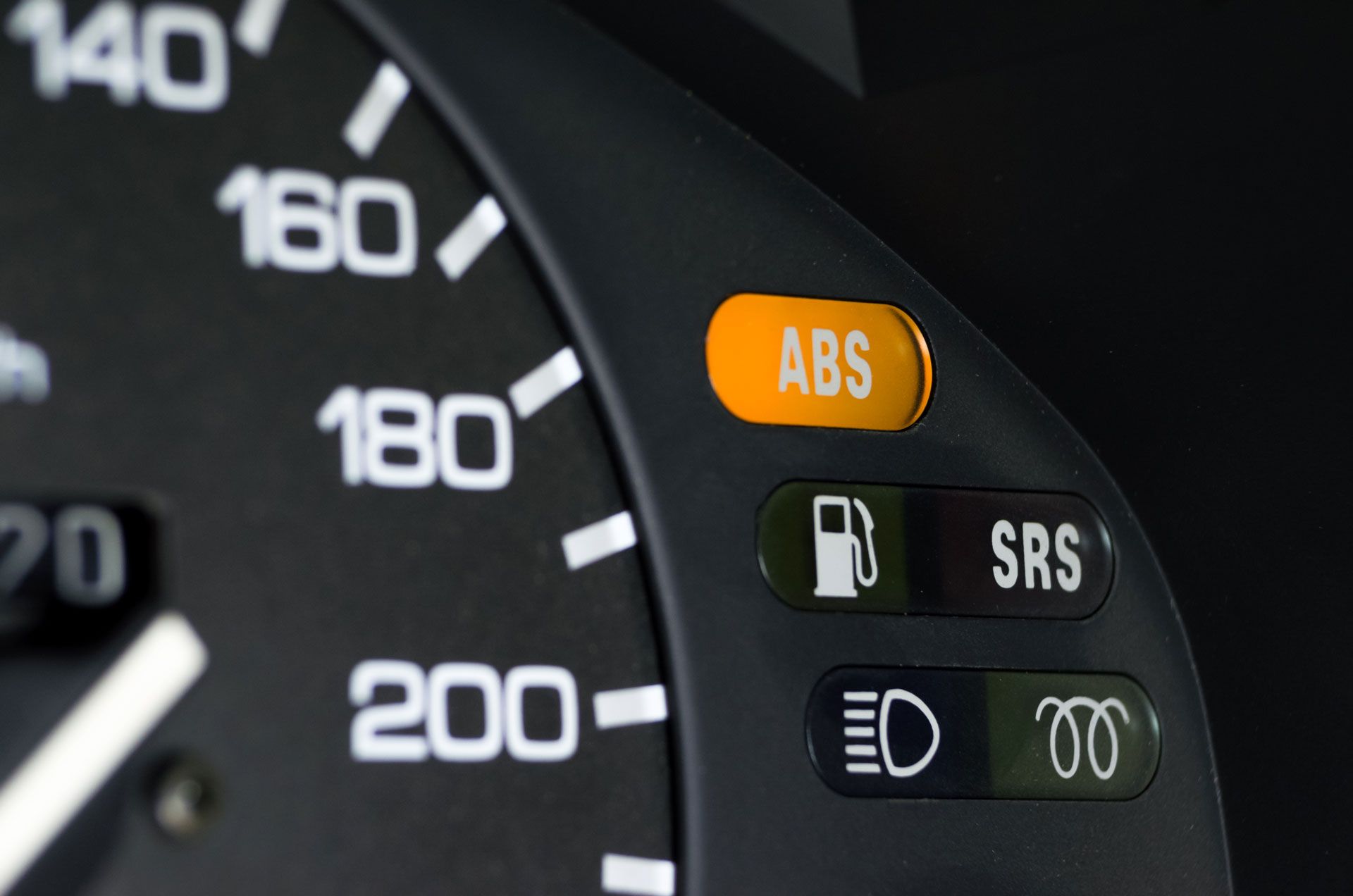
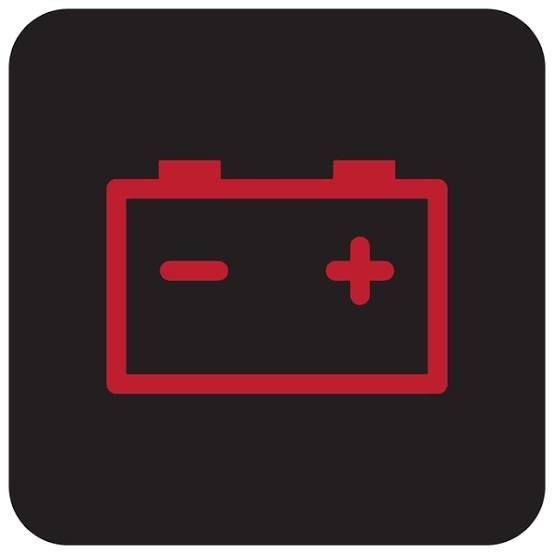
- Dashboard battery warning light
What a Battery Check Includes
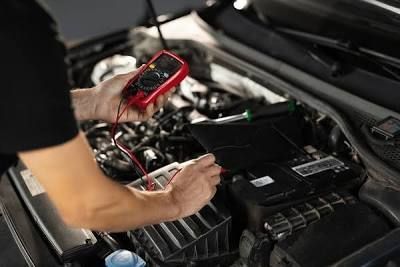
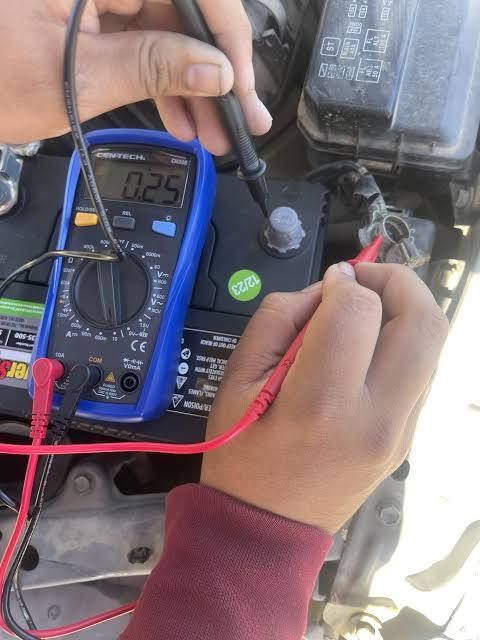
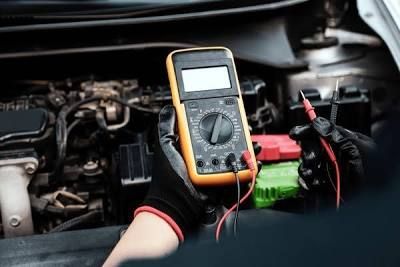
- Voltage test to assess charge level
- Inspection for corrosion or loose connections
- Load testing to determine battery health under demand
- Age evaluation (most batteries last 3–5 years)
A quick battery check can prevent being stranded—and it’s usually inexpensive or even free at many automotive repair shops.
2. The Starter: The Component That Gets Your Engine Moving
The starter is a small but powerful electric motor that turns the engine over. If the starter fails, the engine simply won’t run, even if the battery is perfectly healthy.
Common Starter Warning Signs
- A single click when trying to start
- Grinding noise while engine cranking
- Intermittent starting problems
- The engine doesn’t turn over at all
What a Starter Check Involves
- Testing the electrical circuit to make sure its receiving power
- Inspecting the starter motor for wear
- Checking solenoid function
- Verifying that the battery and alternator aren’t the real cause
Because starter symptoms mimic battery issues, proper diagnostics are important.
3. The Alternator: Powering Your Vehicle While It Runs
Once the engine is running, the alternator takes over by supplying electrical power and recharging the battery. A failing alternator can drain a healthy battery in minutes.
Signs of Alternator Problems
- Flickering lights and noise heard under hood
- Battery warning light on dashboard
- Electrical accessories acting strangely (radio, windows, AC)
- Burning smell or whining noise if bad bearings
- Dead battery despite recent replacement
What an Alternator Check Includes
- Testing output voltage and current
- Inspecting the drive belt condition
- Checking noisy bearings
- Diagnose proper charging to the battery also inspecting fuses
A healthy alternator keeps your battery alive and your electronics operating properly.
Why These Three Checks Matter
The battery, starter, and alternator are interconnected. A problem with one often affects the others. Regular inspections can:
- Prevent roadside breakdowns
- Extend the life of your electrical system
- Improve vehicle reliability
- Save money by catching issues early
Whether you're preparing for a road trip or just keeping your daily driver in top shape, routine electrical system checks are a smart investment.
Final Thoughts
Keeping your vehicle’s starter, alternator, and battery in good health ensures your car starts quickly, runs smoothly, and stays dependable. If you’re experiencing any warning signs—or if it’s been more than a year since your last check—schedule a diagnostic check with Hills Automotive in Harker Heights check us out on google.
Share: